
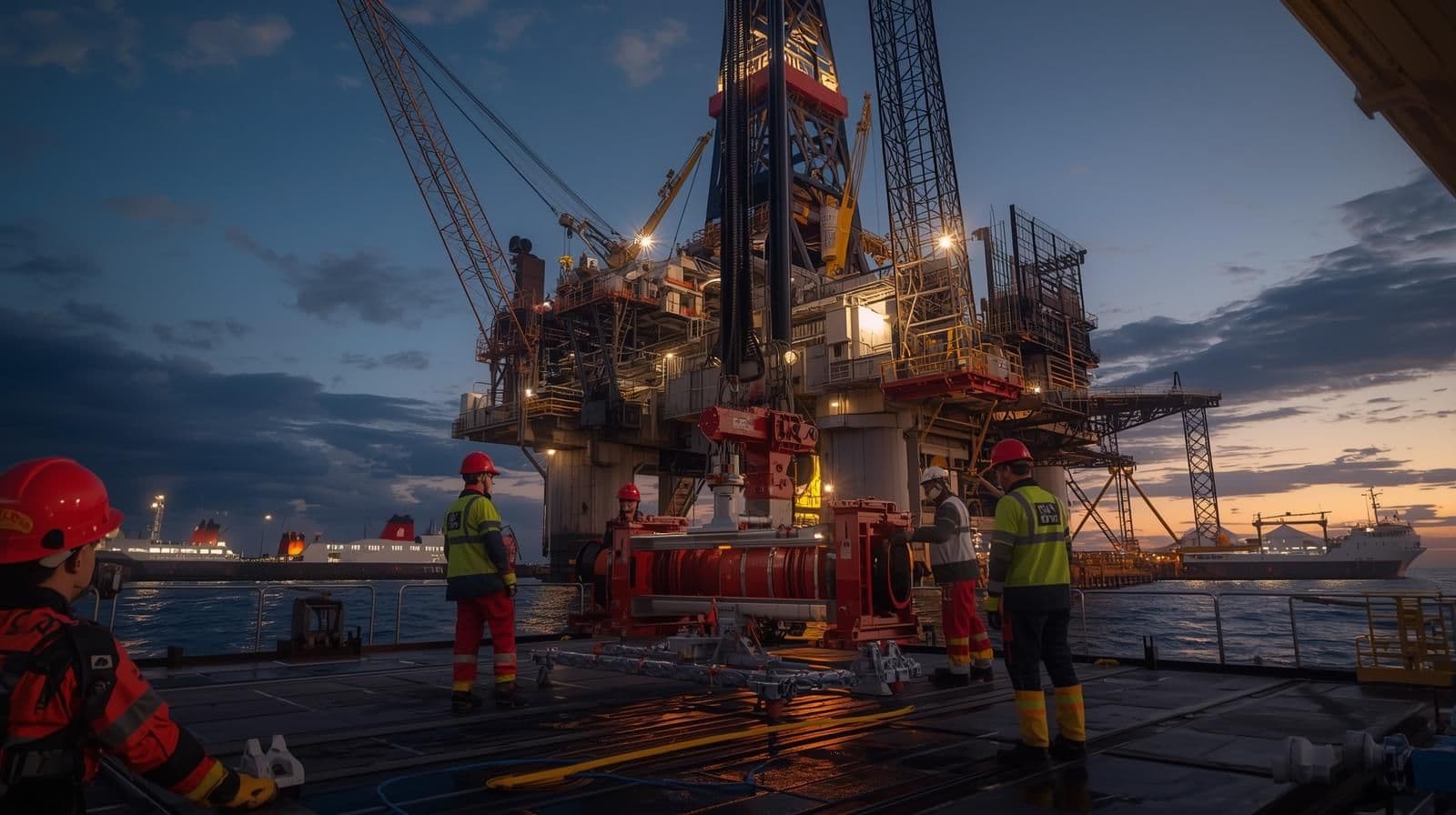
Hydraulic Tools in Oil and Gas: Boosting Offshore Safety and Efficiency in Upstream Operations
Introduction: The Vital Role of Hydraulics in Offshore Oil and Gas
The offshore oil and gas industry is one of the most demanding environments on the planet. Harsh marine conditions, high pressures, and the critical need for reliability make equipment performance a top priority. In this setting, hydraulic tools play an indispensable role in ensuring both safety and operational efficiency.
From subsea drilling to platform construction, hydraulic systems provide the controlled power needed to lift, tighten, cut, and operate machinery under extreme conditions. This article explores how hydraulic tools support upstream applications, improve offshore safety, and deliver efficiency gains for the oil and gas sector.
Understanding Hydraulic Tools in Offshore Operations
What Makes Hydraulic Tools Essential in Oil and Gas?
Hydraulic tools are preferred in oil and gas because they:
- Deliver high force in compact sizes.
- Operate reliably in wet and corrosive environments.
- Provide precision control essential for safety-critical operations.
Key Types of Hydraulic Tools Used Offshore
Some of the most common hydraulic tools include:
- Hydraulic torque wrenches – for controlled bolting on rigs and pipelines.
- Bolt tensioners – to secure subsea flanges and wellheads.
- Hydraulic cutters – for emergency pipe and cable cutting.
- Lifting jacks – to position heavy equipment on offshore platforms.
Upstream Oil and Gas Operations: Where Hydraulics Fit In
Exploration and Drilling Applications
Hydraulics power drilling rigs, control blowout preventers (BOPs), and ensure safe subsea wellhead operations.
Subsea Equipment and Wellhead Maintenance
Hydraulic tensioners and torque tools keep subsea pipelines secure, preventing leaks that could lead to environmental disasters.
Offshore Rig Construction and Heavy Lifting
Hydraulic lifting systems allow the precise positioning of massive structures during rig installation and maintenance.
Enhancing Offshore Safety with Hydraulic Tools
Controlled Force and Precision
Unlike manual methods, hydraulics apply force evenly and predictably, reducing the risk of accidents.
Reduced Manual Labor and Risk Exposure
By replacing manual torqueing and cutting, hydraulic tools minimize the need for workers in high-risk areas.
Emergency Shutdown and Safety Mechanisms
Hydraulic systems enable fail-safe shutdowns, ensuring rapid response in case of emergencies.
Efficiency Gains from Hydraulic Systems
Faster Maintenance and Repair Cycles
Hydraulic torque tools can tighten bolts 10 times faster than manual methods, saving time during critical offshore maintenance.
Minimizing Downtime on Offshore Platforms
Precision tools reduce errors, meaning fewer reworks and less downtime in billion-dollar offshore projects.
Extending Equipment Lifespan
Proper torque and tensioning prevent premature wear, improving the durability of offshore assets.
Case Studies: Hydraulic Tools in Action
Subsea Bolt Tensioning for Pipeline Integrity
Hydraulic bolt tensioners helped secure subsea flanges during a North Sea pipeline installation, ensuring leak-free connections under extreme pressure.
Hydraulic Torque Tools in Drilling Rigs
On deepwater rigs, hydraulic torque wrenches allow safe and reliable assembly of drill pipes and BOP systems.
Lifting and Positioning Heavy Offshore Equipment
During platform upgrades, hydraulic jacks precisely lifted sections weighing over 500 tons, reducing risks and delays.
Challenges in Offshore Hydraulic Applications
Corrosion and Harsh Marine Environments
Saltwater exposure accelerates corrosion, requiring robust materials and coatings.
High Pressure and Extreme Temperature Demands
Offshore hydraulics must withstand pressures exceeding 20,000 psi and operate in freezing or tropical climates.
Regular Maintenance and Inspection Requirements
Routine inspection is critical to prevent catastrophic failures in offshore systems.
Innovations in Offshore Hydraulic Tools
Lightweight, Portable Hydraulic Solutions
New composite materials make hydraulic tools easier to handle offshore without compromising strength.
Integration with IoT for Monitoring
IoT-enabled hydraulics provide real-time performance tracking, predictive maintenance, and safety alerts.
Eco-Friendly Hydraulic Fluids
Biodegradable fluids are reducing environmental risks from potential leaks.
The Future of Hydraulic Tools in Offshore Oil and Gas
Electrification and Hybrid Hydraulic Systems
Electro-hydraulic systems reduce emissions and improve efficiency, aligning with sustainability goals.
AI-Driven Predictive Maintenance
Artificial intelligence will predict failures before they occur, minimizing unplanned downtime.
Safer and Greener Offshore Operations
Next-gen hydraulics will balance performance with sustainability, shaping the offshore rigs of tomorrow.
Frequently Asked Questions (FAQs)
Q1: Why are hydraulic tools so important in offshore oil and gas?
They provide high-force precision in harsh environments where manual or electric tools are less reliable.
Q2: What are the most common hydraulic tools used offshore?
Torque wrenches, bolt tensioners, cutters, and jacks are widely used in upstream operations.
Q3: How do hydraulic tools improve safety?
They reduce manual labor, apply controlled force, and integrate with safety shutdown systems.
Q4: Can hydraulic tools withstand offshore conditions?
Yes, they are engineered with corrosion-resistant materials and designed for high pressures.
Q5: Are hydraulic tools eco-friendly?
New eco-fluids and hybrid electro-hydraulic systems are reducing their environmental footprint.
Q6: What’s the future of hydraulics in offshore operations?
Expect more electrification, IoT integration, and sustainability-driven innovations.
Conclusion: Driving Offshore Safety and Efficiency Through Hydraulics
Hydraulic tools are the unsung heroes of offshore oil and gas operations. They provide the precision, power, and safety required to keep rigs operational in some of the world’s harshest conditions. As the industry pushes toward greater efficiency and sustainability, innovations in hydraulics will continue to shape the future of upstream oil and gas.
Investing in modern hydraulic solutions today isn’t just about improving performance—it’s about ensuring safe, reliable, and efficient offshore operations for decades to come.