
Predictive Maintenance in Hydraulic Systems with IoT and Real-Time Monitoring | Cost Savings & Reliability
Introduction: Why Predictive Maintenance Matters in Hydraulic Systems
Hydraulic systems power everything from heavy-duty construction machinery to offshore drilling rigs and manufacturing plants. While these systems are robust, failures can lead to costly downtime, safety hazards, and production losses. Traditional maintenance methods often fall short in preventing unexpected breakdowns.
That’s where predictive maintenance, powered by IoT and real-time monitoring, is transforming industries in 2025. Instead of fixing equipment after failure, predictive strategies identify early warning signs—allowing timely intervention that saves time, money, and resources.
In this article, we’ll explore how IoT sensors, cloud computing, and data analytics are revolutionising hydraulic system maintenance with real-time monitoring techniques.
The Evolution of Hydraulic System Maintenance
From Reactive to Preventive Approaches
Traditionally, companies relied on reactive maintenance—waiting for equipment to fail before repairing it. While simple, this method led to extended downtime and unpredictable costs.
Later, preventive maintenance emerged, focusing on scheduled servicing. While better, it often led to unnecessary part replacements and wasted resources.
The Rise of Predictive Maintenance
Predictive maintenance uses real-time data and analytics to anticipate failures before they occur. This approach reduces unplanned downtime, lowers costs, and optimises system performance.
Fundamentals of IoT in Hydraulic Systems
The Internet of Things (IoT) plays a central role in predictive maintenance for hydraulic systems.
Sensors and Data Collection
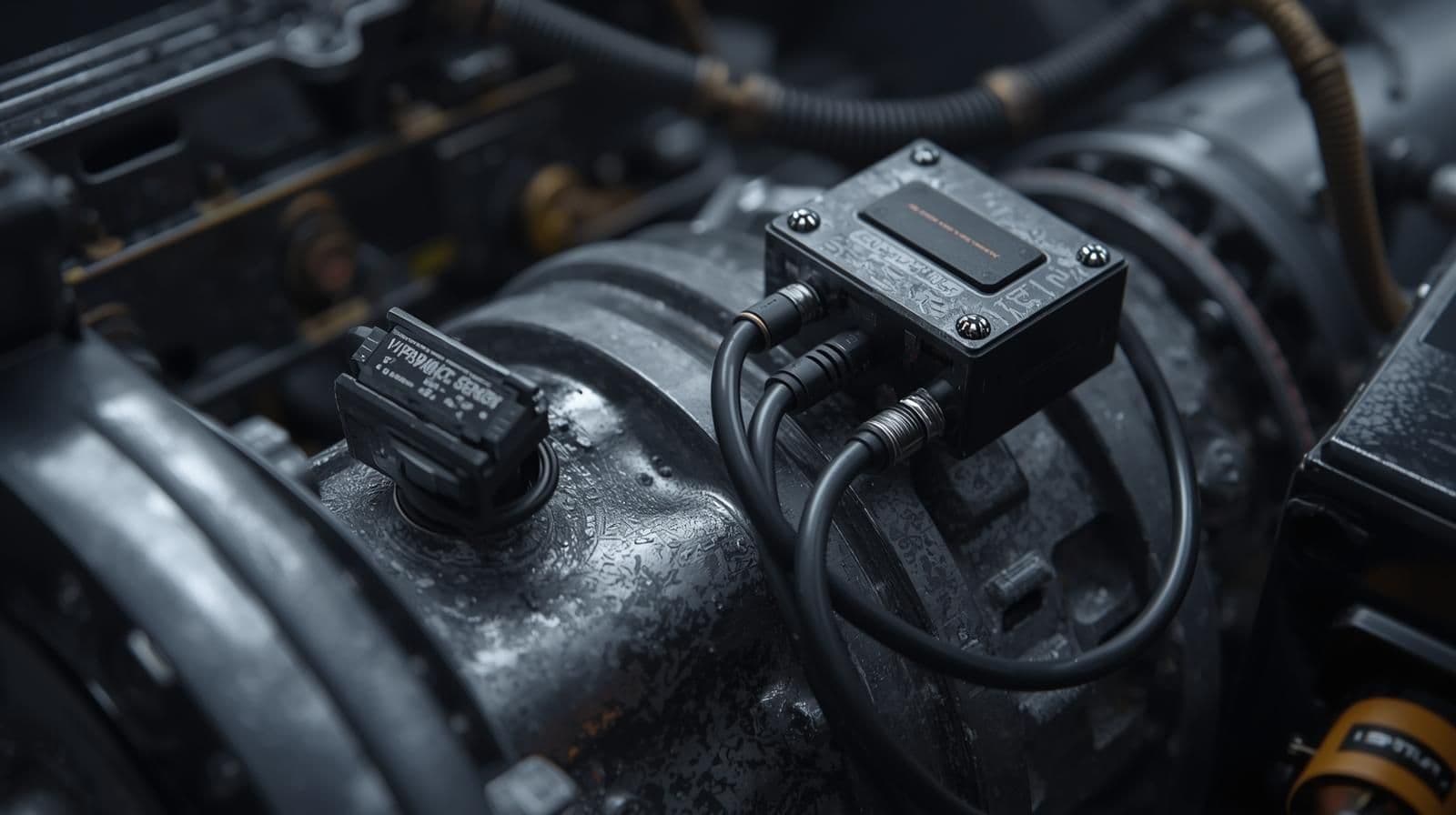
IoT-enabled sensors continuously monitor system parameters such as:
- Pressure and flow rates
- Fluid quality and contamination levels
- Temperature fluctuations
- Vibration and acoustic patterns
Connectivity and Cloud Platforms
Collected data is transmitted via industrial IoT gateways to cloud or edge computing platforms for real-time analysis.
Machine Learning and AI Integration
AI algorithms detect abnormal patterns, predict component wear, and provide maintenance recommendations—often before human operators notice an issue.
Key Real-Time Monitoring Techniques for Hydraulic Systems
Pressure and Flow Monitoring
Abnormal fluctuations in hydraulic pressure or flow often signal pump failures or valve malfunctions.
Temperature and Viscosity Tracking
IoT sensors track fluid temperature and viscosity, helping prevent overheating and lubrication failures.
Vibration and Acoustic Analysis
Vibration monitoring detects misalignments or early-stage bearing failures, while acoustic sensors capture cavitation and flow irregularities.
Fluid Contamination Detection
Hydraulic fluids contaminated with particles, water, or air can cause catastrophic damage. IoT monitors detect contamination levels instantly.
Benefits of IoT-Enabled Predictive Maintenance
Reduced Downtime
Predictive insights allow repairs to be scheduled during planned shutdowns, minimising costly disruptions.
Cost Savings in Repairs and Operations
Studies show predictive maintenance reduces repair costs by up to 30% and downtime by 45%.
Extended Equipment Lifespan
Monitoring helps optimise performance and prevents premature equipment replacement.
Enhanced Worker Safety
Identifying risks early prevents hazardous equipment failures in high-risk environments.
Industry Applications of Predictive Maintenance in Hydraulics
Manufacturing and Heavy Machinery
Factories use IoT monitoring to minimise machine failures and improve production efficiency.
Oil, Gas, and Offshore Operations
Predictive maintenance ensures the reliability of hydraulic systems in offshore rigs, where downtime costs millions.
Renewable Energy Systems
Hydraulic systems in wind turbines and solar tracking systems benefit from real-time monitoring for energy efficiency.
Strategy #1: Choosing the Right IoT Sensors for Hydraulic Systems
Sensor Accuracy and Reliability
High-precision sensors ensure reliable data, which forms the backbone of predictive maintenance.
Integration with Legacy Equipment
Retrofit solutions allow IoT sensors to be installed on older hydraulic systems, extending their usefulness.
Strategy #2: Leveraging Cloud and Edge Computing
Real-Time Analytics at the Edge
Edge computing processes data locally, enabling instant decision-making even in remote sites.
Cloud-Based Predictive Models
Cloud platforms store historical data for trend analysis and predictive modelling, supporting long-term strategies.
Strategy #3: Building a Data-Driven Maintenance Culture
Training Operators and Engineers
A predictive maintenance strategy succeeds only when staff are trained to interpret IoT data and act on insights.
Using Data for Continuous Improvement
Maintenance teams can refine processes over time by learning from predictive data trends.
Challenges in Implementing IoT Predictive Maintenance
High Initial Costs and ROI Concerns
Implementing IoT infrastructure can be expensive initially, though long-term savings outweigh the costs.
Cybersecurity and Data Privacy Risks
Hydraulic IoT systems require strong cybersecurity to protect sensitive industrial data.
Integration Complexity
Bringing IoT into legacy systems may require technical expertise and phased deployment.
Future Trends in Predictive Maintenance for Hydraulic Systems
AI-Powered Predictive Analytics
Machine learning will make predictions more accurate, reducing false alarms and maintenance delays.
Digital Twins and Simulation Models
Digital replicas of hydraulic systems will simulate wear and failure scenarios for proactive solutions.
Sustainable Maintenance Practices
IoT will support eco-friendly operations by optimising energy use and extending equipment life.
Case Study: IoT Predictive Maintenance in a Hydraulic Manufacturing Plant
A European manufacturing plant deployed IoT sensors across 50 hydraulic presses. Within 12 months:
- Unplanned downtime was reduced by 40%.
- Maintenance costs dropped by 25%.
- Equipment lifespan increased significantly, delaying capital investments.
This case highlights how predictive maintenance transforms operations from reactive firefighting to proactive management.
Frequently Asked Questions (FAQs)
Q1: How does IoT improve predictive maintenance in hydraulic systems?
IoT enables real-time monitoring, detects abnormalities, and predicts failures before they happen.
Q2: What types of sensors are used in hydraulic predictive maintenance?
Common sensors include pressure, temperature, flow, vibration, and contamination detectors.
Q3: Can IoT predictive maintenance be applied to older hydraulic systems?
Yes, retrofit sensor kits allow legacy equipment to be upgraded.
Q4: Is predictive maintenance expensive to implement?
While initial costs are high, long-term savings in downtime and repairs outweigh the investment.
Q5: How secure are IoT-based hydraulic monitoring systems?
With proper cybersecurity measures, such as encryption and firewalls, data can be well-protected.
Q6: What industries benefit most from IoT predictive maintenance?
Manufacturing, energy, aerospace, and offshore industries see the most significant impact.
Conclusion: Smarter, Safer, and More Reliable Hydraulic Operations
Predictive maintenance powered by IoT and real-time monitoring is no longer optional—it’s a necessity for industries in 2025. By integrating smart sensors, cloud platforms, and AI-driven analytics, companies can cut costs, reduce downtime, and extend equipment life.
While challenges exist, the future of hydraulic system maintenance is undeniably data-driven, sustainable, and highly efficient. Companies embracing this shift today will gain a competitive edge tomorrow.